
Kevin (Bin) Bian
Senior Electrical Engineer — MV/HV Power Systems · BESS · Grid Connection
Sydney, NSW · 12+ years across cable, substation interface, BESS, and critical infrastructure.
Engineering
12+ yearsindustry experience
Sydney NSWAU work rights
5+ BESSup to 500 MW
CYMCAP · CDEGS · EMTPcable + earthing tooling
PhDElectrical Engineering
Software & AI
M.IT (2024)Information Technology · UniSA
EmptyOSAI operating system
Python · FastAPI · Reactfull-stack
Also building AI tools and writing about AI coding agents + systems design — essays below ↓
Featured
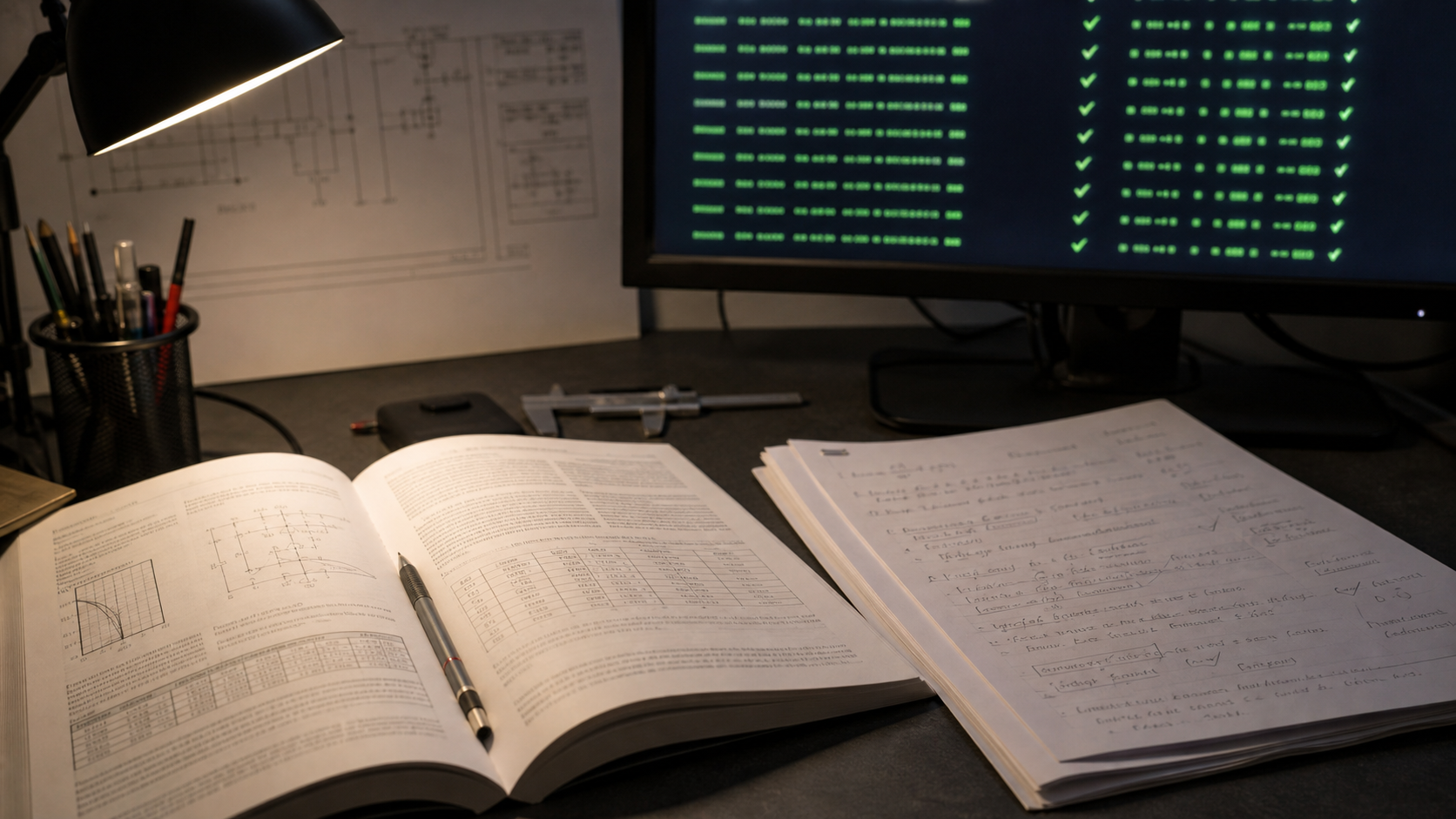
How to Build Trustworthy Engineering Software in the AI Era
A colleague's first question about an AI-assisted engineering calculator was: 'Is it right?' This is the seven-stage verification loop I use to answer with evidence rather than trust in a model.
Recent Posts
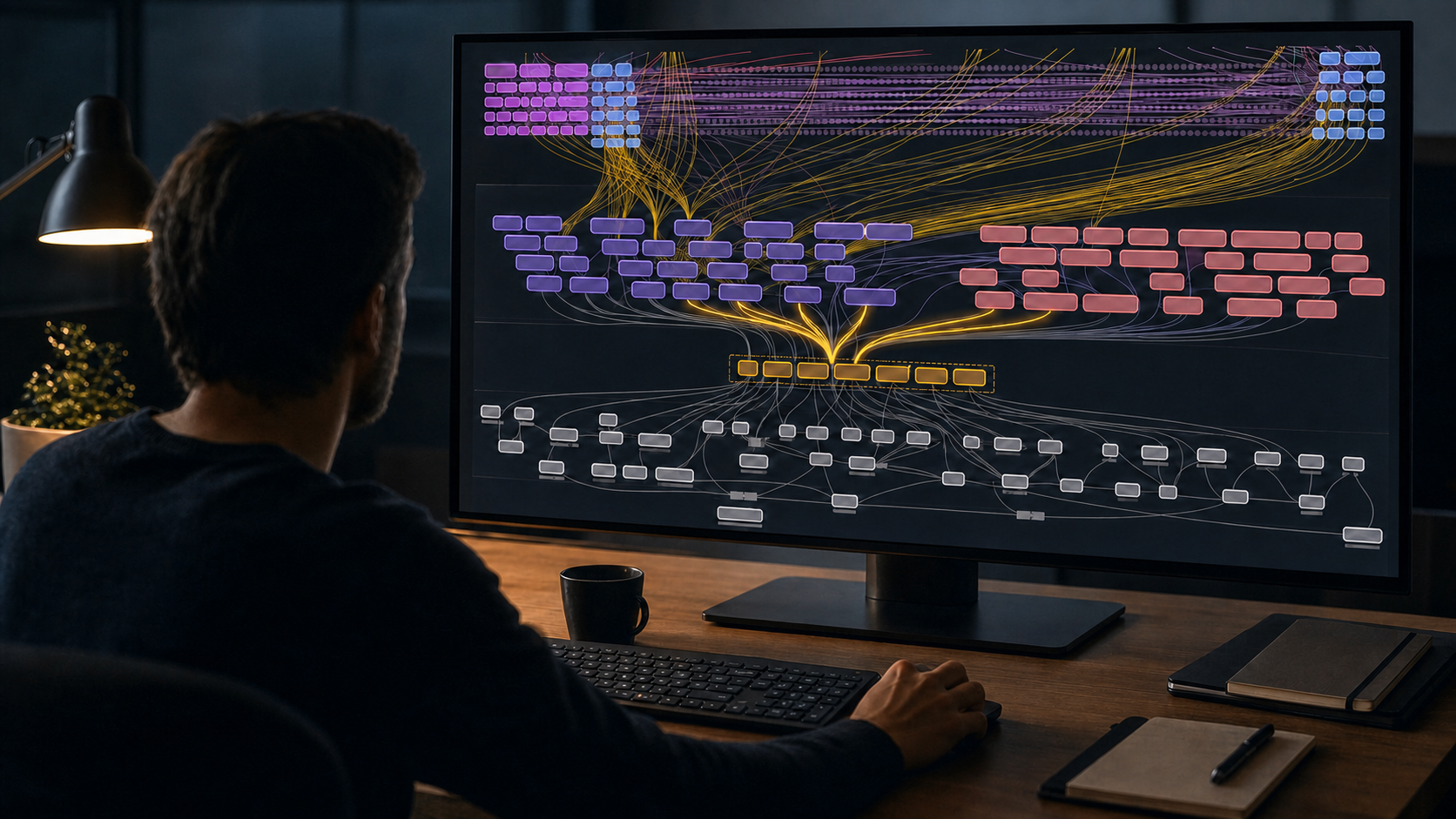
How Architecture Emerges in AI-Assisted Development
AI makes implementations cheap to generate — but ask for the same capability twice and you get two different answers to what happens when the input is ugly. Cheap code is not coherent code, so someone still has to decide what becomes shared architecture. Not upfront, though: design the rules of growth instead, and let every shared boundary be earned by a second consumer. Three months of dated receipts from a real system.
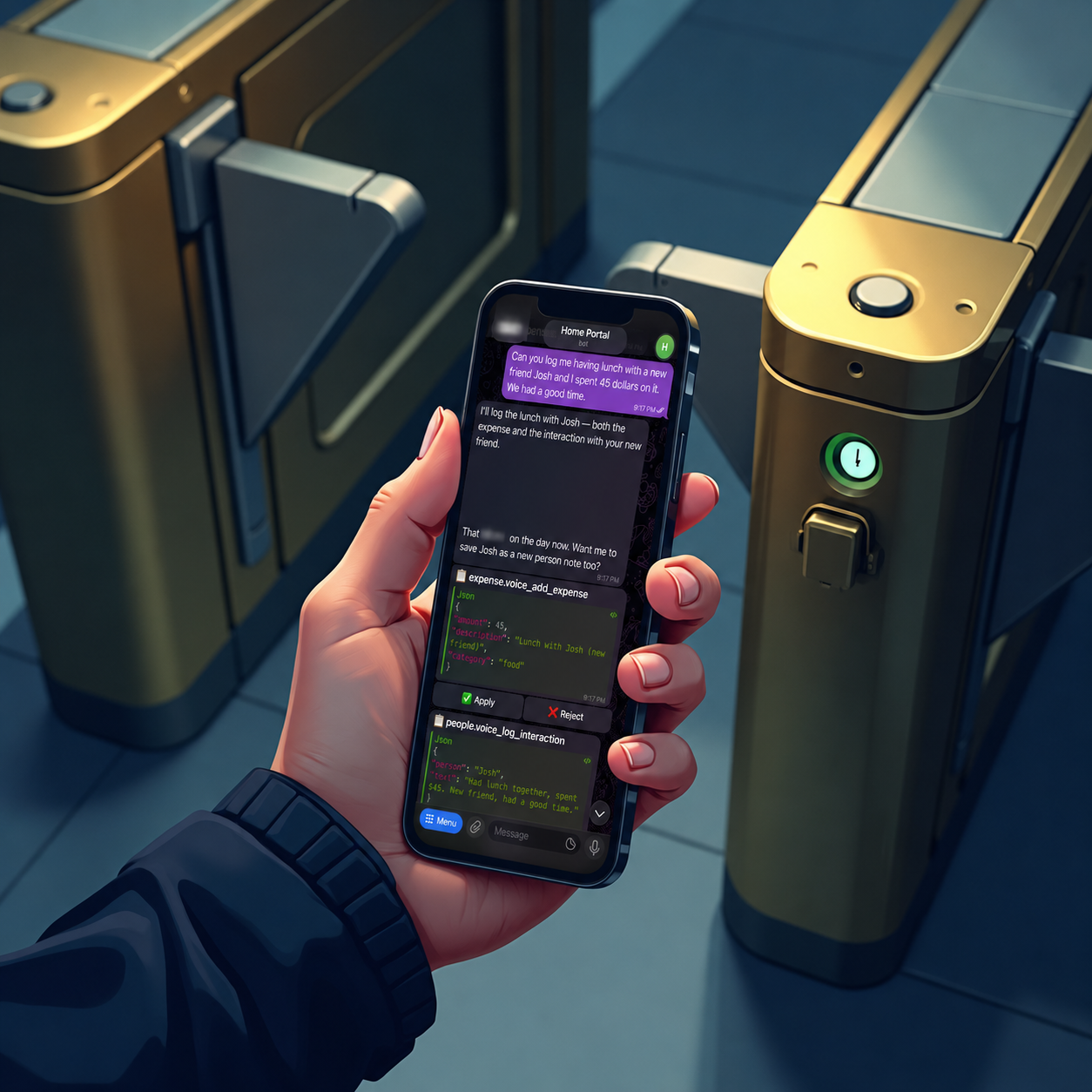
Chat App as Pocket Console: A Safe Front Door to EmptyOS from Telegram
A chat app can become a pocket console for an AI operating system, but only if it inherits the system's safety model: propose first, show the payload, and let the human approve before anything writes.
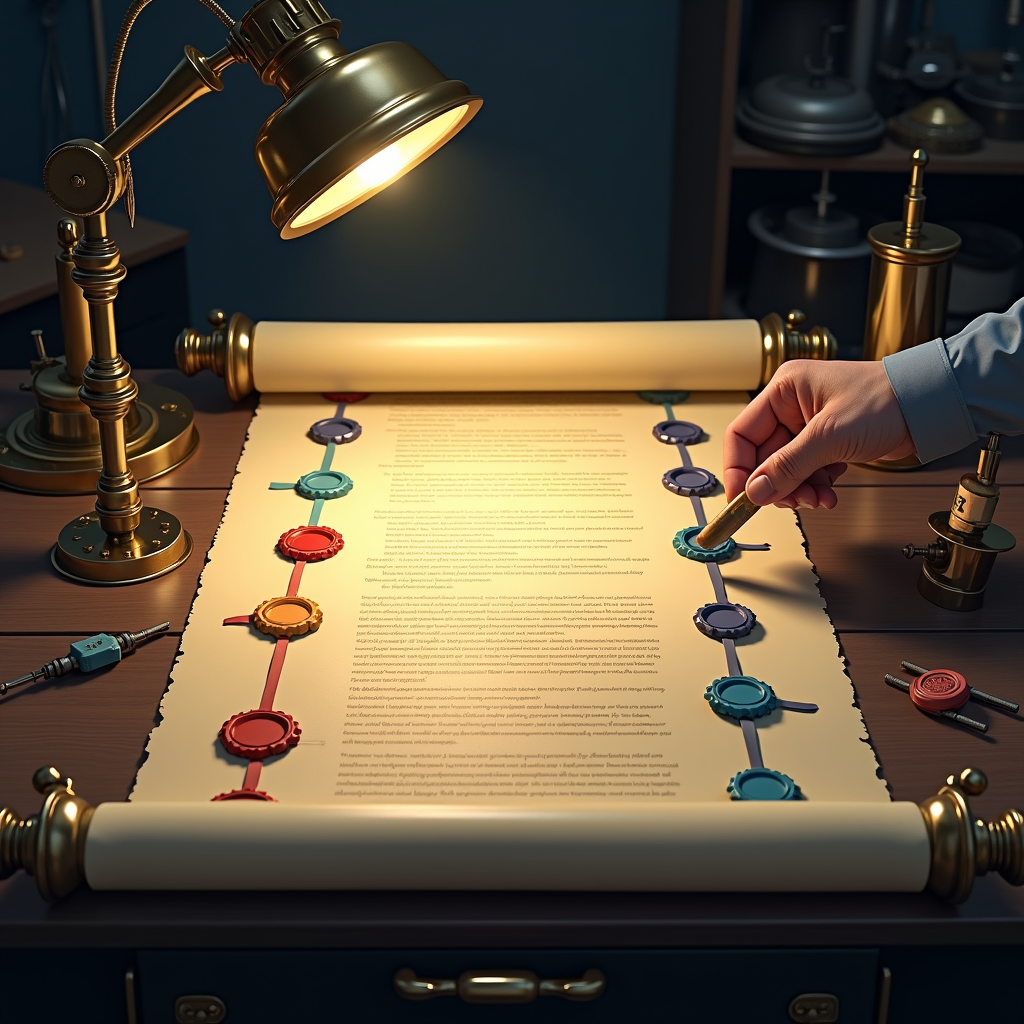
An AI-Native Interface Is a Contract, Not a Chatbox
AI-native isn't a chatbot beside the product — it's an interface contract: pages that declare their actions, verbs that carry safety classes, and a human at the irreversible exits. How EmptyOS exposes native AI access across pages, verbs, CLI, and coding agents.
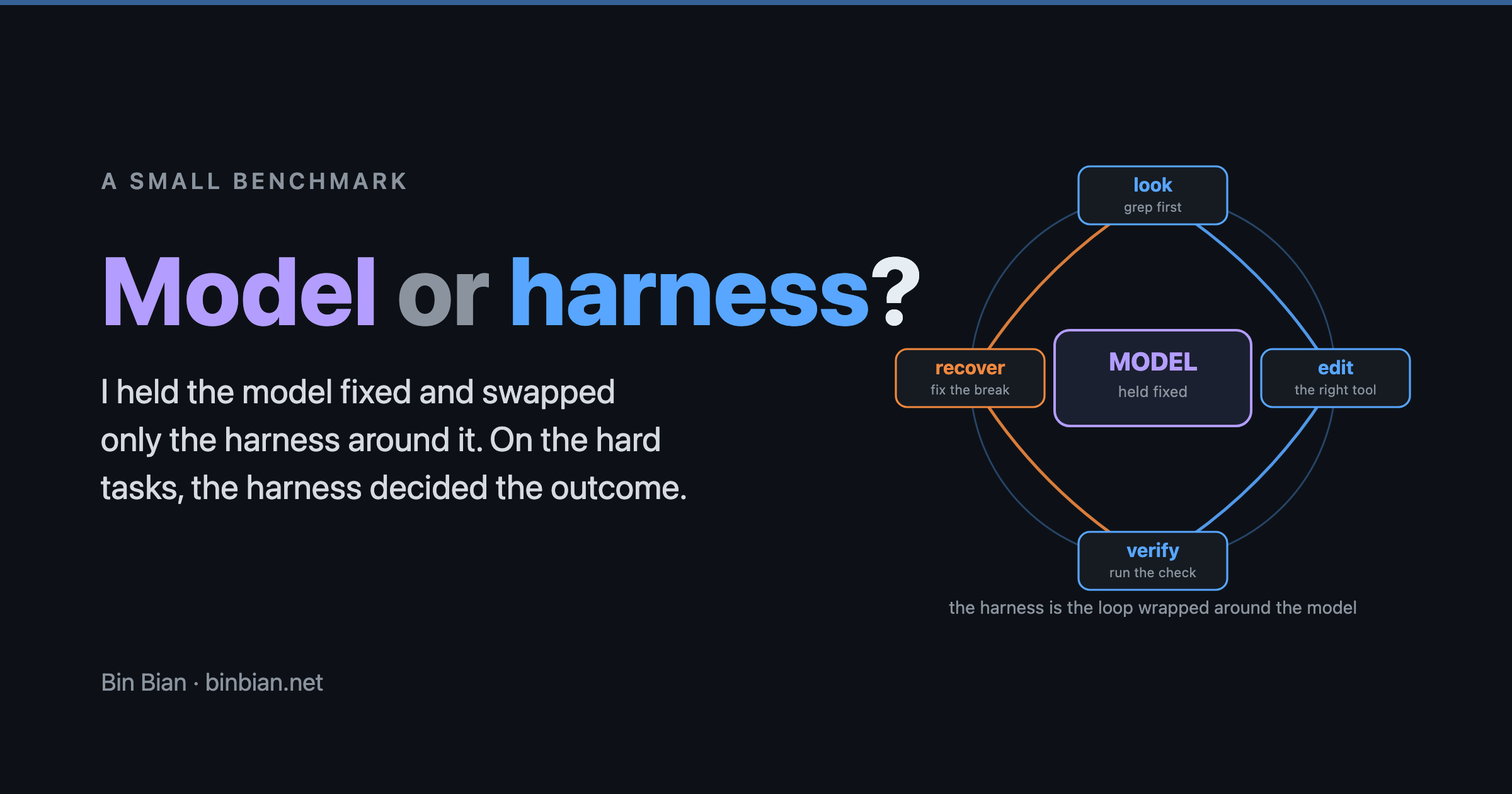
AI coding agents: is the model or the harness the bottleneck?
I held the model fixed and swapped the harness around it across a 12-task suite. On easy tasks it barely mattered; on hard, structured tasks the harness decided the outcome. Plus the first results I got wrong and had to correct.

Notes as Infrastructure: the emergence of the markdown OS
In systems design we separate data from logic. Under AI, a markdown vault collapses that distinction — the same notes become knowledge, policy, and runtime in three layers.

A Healthy Relationship with My AI Coding Agent: Use It, Abuse It, Outlive It
I'm crazy in love with my AI coding agent. We spend every day together and we've built things I couldn't have built alone. But like any intense relationship, a quiet question eventually shows up: am I leaning too hard? Three stages of a healthy relationship with the coding agent — use it, abuse it, outlive it — and the surprising architecture you end up with when 94% of what was built doesn't, itself, need AI to run.

The Harness and the Model: Why the 'Vibe' Defines the 'Code'
Same model, same prompt, same day — two AI coding tools produced dramatically different apps. The lesson isn't about the model. It's about everything around the model.

Your notes folder is the operating system, and AI is the engine
Notes are evolving from passive storage into an AI-powered system that surfaces insights, while leaving decisions to the user.
Using BPMN to Design and Coordinate AI Agent Workflows
How BPMN can serve as a blueprint for coordinating multiple AI agents, demonstrated through an emergency response triage system.
Exploring ChatGPT 4o's New Image Generation from an Engineer's Perspective
Testing ChatGPT-4o's image generation for both creative storytelling and engineering applications \u2014 fantastic for art, but not yet functional for precise technical illustrations.
Creating a Noting System with AI in 1 Hour – No Coding
An experiment building a fully functional note-taking system using ChatGPT and Claude AI tools\u2014all within one hour and without traditional coding.